
Phoenix Home Inspections: Resources for Homebuyers and Sellers
Arizona home inspectors are licensed and regulated by the Arizona State Board of Technical Registration (AZBTR) — and you can verify any inspector’s active license status at btr.az.gov before you book. A standard Phoenix Metro inspection costs $350–$680; most West Valley buyers run $600–$1,800 in total due diligence including pool, sewer scope, termite, and HVAC add-ons. The AAR BINSR form governs inspection negotiations inside the purchase contract. This post covers how Arizona licensing works, what to order for a Phoenix home, what it costs, where to look up inspectors, and how the BINSR timeline operates — in one reference document.
The Terrain: Why Phoenix Inspections Are a Specific Discipline
Phoenix Metro homes face stress profiles that inspectors in most U.S. markets never encounter. Sustained temperatures above 110°F from June through August accelerate roof underlayment degradation, HVAC compressor wear, and exterior stucco cracking at expansion joints. Monsoon seasons deliver intense moisture events to a building envelope designed for desert aridity. Expansive soils in the West and Northwest Valley — prevalent in Goodyear, Buckeye, Surprise, and Peoria — place ongoing pressure on foundations and flatwork. Termites are endemic across the Phoenix Metro, particularly in areas with established landscaping and irrigation.
The practical implication: a single general inspection is rarely sufficient for a Phoenix Metro resale home. An experienced buyer builds a targeted inspection stack based on the home’s age, features, and location. A 1988 ranch in Surprise with a pool, mature landscaping, and a flat tile roof has a very different inspection priority list than a 2019 build in Goodyear on a concrete slab with no pool and minimal tree coverage. The resources below help buyers and sellers navigate that specificity.
Resource 1: How to Verify a Licensed Arizona Home Inspector
Arizona home inspectors are certified and regulated under ARS Title 32, Chapter 1, §32-122.02 by the Arizona State Board of Technical Registration (AZBTR). The AZBTR maintains a publicly searchable Online Registry of all active certified inspectors and inspection businesses.
AZBTR Online Registry: btr.az.gov — Search by inspector name or company to verify active certification status, license number, and financial assurance on file. Use this before booking any inspection. Phone: (602) 364-4930.
To obtain an Arizona home inspector certification, a candidate must complete all of the following: 84 hours of approved classroom training from a recognized provider; pass the National Home Inspector Examination (NHIE); complete 30 parallel inspections supervised by a currently certified Arizona inspector; submit a DPS fingerprint clearance card; pay the $175 application fee; and file proof of financial assurance — either errors and omissions insurance ($200,000 aggregate, $100,000 per occurrence) or a $25,000 bond. Inspectors renew certification annually, and the AZBTR conducts criminal background checks on each renewal.
Inspection businesses vs. individual inspectors: The inspector who physically conducts your inspection may work for an inspection company rather than independently. The certification requirement applies to the individual conducting the inspection — not just the company. When booking, ask for the name of the specific inspector who will be on-site and verify their individual AZBTR certification, not only the business name.
Resource 2: Inspector Lookup and Professional Associations
Beyond the AZBTR registry, two national professional associations provide additional inspector directories and serve as a baseline quality filter. Membership in these organizations is voluntary but signals commitment to continuing education and professional standards above the state minimum:
Find inspector directory: homeinspector.org. Arizona chapter coordinates standards that AZBTR adopts as the official Standards of Professional Practice for home inspectors under R4-30-301.01.
Find inspector directory: nachi.org/find-inspector. InterNACHI-certified inspectors must complete ongoing continuing education beyond state minimums and adhere to InterNACHI’s Standards of Practice and Code of Ethics.
Resource 3: The Phoenix Metro Inspection Stack — What to Order and What It Costs
Most Phoenix Metro buyers run multiple inspections during the inspection period. The table below reflects current Phoenix Metro pricing ranges for each inspection type, who regulates the specialist conducting it, and what it covers:
| Inspection Type | Cost Range (Phoenix Metro) | Regulated By | Recommended When |
|---|---|---|---|
| General Home Inspection | $350–$680 | AZBTR (btr.az.gov) | Every resale transaction |
| Termite / WDO (WDIIR) | $75–$200 | Arizona Dept. of Agriculture | Every resale transaction; required WDIIR form |
| Sewer Scope | $150–$350 | Licensed plumber or specialty co. | Homes built pre-1990; any home with mature trees near sewer line |
| Pool and Spa Inspection | $150–$350 | Certified pool inspector (separate from AZBTR general inspection) | Any home with pool or spa |
| HVAC Diagnostic | $100–$250 | Arizona Registrar of Contractors (ROC) | Systems 12+ years old; R-22 refrigerant units; any prior service history gaps |
| Roof Contractor Inspection | $150–$400 | Arizona ROC (licensed roofing contractor) | Tile roofs 15+ years; any roof with visible wear, penetrations, or prior repairs |
| Solar / PV System Inspection | $150–$400 | Licensed solar contractor or electrician | Any home with solar panels; verify lease vs. owned status first |
| Mold / Air Quality Testing | $200–$500 | Certified industrial hygienist or inspector | Any visible moisture staining, musty odors, or prior flood/roof leak history |
| Radon Testing | $100–$200 | AARST-NRPP or NRSB certified tester (recommended by ARRA) | Less common in Phoenix proper; more relevant at higher elevations (Anthem, Cave Creek) |
Budget guidance for West Valley buyers: A Peoria or Surprise home built in the 1990s with a pool and tile roof should budget $900–$1,400 for the full inspection stack: general ($450) + termite ($125) + sewer scope ($250) + pool ($250) + HVAC diagnostic ($175) + roof contractor review ($300). A Goodyear new construction home built in 2022 with no pool and a 20-year roof warranty can run $500–$700 total (general + termite). Newer construction saves on specialized inspections but still warrants a WDO inspection — termite activity does not spare new builds in the Phoenix Metro.
Resource 4: Specialty Inspection Regulatory Contacts
Several inspection types in Arizona are regulated by agencies separate from the AZBTR. Knowing which agency oversees which specialist helps buyers verify credentials for add-on inspections:
Termite inspectors must be licensed by AZDA and use the official Wood-Destroying Insect Inspection Report (WDIIR) form. Verify pest control inspector licensing: agriculture.az.gov
Any contractor providing a repair estimate or structural assessment must hold an active ROC license. Verify contractor licensing: roc.az.gov
The ARRA does not certify radon testers but recommends hiring AARST-NRPP or NRSB certified professionals. Find certified radon testers: aarst-nrpp.com
Resource 5: How the AAR BINSR Process Works
The inspection period and the BINSR form are the contractual mechanism through which inspection findings get translated into negotiation. Understanding the sequence prevents missed deadlines, lost earnest money, and failed negotiations.
Step 1: The Inspection Period Is Negotiated in the Contract
The AAR Residential Resale Real Estate Purchase Contract does not specify a fixed inspection period — the duration is negotiated between buyer and seller and written into the contract at execution. Phoenix Metro practice in early 2026: 7–10 days from acceptance is standard, with 10-day periods common given current buyer leverage. The inspection period begins the day after contract acceptance.
Step 2: Complete All Inspections Early in the Period
Buyers should schedule all inspections within the first 2–3 days of the inspection period. Inspection reports typically take 24–72 hours to deliver. Specialty inspectors (sewer scope, pool, HVAC) often work business days only and may have scheduling delays. Waiting until day 7 of a 10-day period to schedule a sewer scope is a timing error that leaves no room for a contractor estimate if a problem is found. Contractor estimates — essential for BINSR negotiations with real dollar figures — can take 2–5 business days to obtain.
Step 3: The BINSR — Three Buyer Options
Once inspections are complete and reports reviewed, the buyer has three paths under the AAR contract:
| Option | What It Means | Earnest Money Impact | Notes |
|---|---|---|---|
| Accept | Proceed to closing with no inspection requests | Proceeds normally | Can still cancel on other contingencies (appraisal, loan) |
| Cancel | Cancel the contract within the inspection period | Returned to buyer (typically in full) | Must be delivered before inspection period deadline; no cause required |
| Submit BINSR | Request repairs, credit, price reduction, or escrow holdback for specific items | Remains at risk; earnest money position depends on seller’s response and subsequent negotiation | Attach inspection report excerpts, photos, and contractor estimates for maximum negotiating clarity |
Step 4: The Seller’s BINSR Response
After receiving the BINSR, the seller has three response options: agree to all requests, agree to some requests (partial acceptance), or decline all requests. The seller’s response timeframe is specified in the purchase contract — typically 3–5 days from BINSR delivery. If the seller’s response is insufficient, the buyer may have additional cancellation rights depending on the specific contract language. The BINSR negotiation is a back-and-forth within the framework of the purchase contract, not an automatic reopening of the full deal.
BINSR Resolution Options Beyond Simple Repairs
Many buyers default to requesting repairs, but three additional resolution structures are available and sometimes more practical:
Closing credit: The seller credits the buyer a dollar amount at closing in lieu of making repairs. The buyer uses those funds to select and hire their own contractor after taking possession. Advantage: buyer controls the work. Constraint: lender may cap credits or require certain safety items to be repaired before funding.
Price reduction: The purchase price is reduced to reflect the repair costs. This reduces the loan amount, which means the buyer funds repairs from equity rather than cash at closing. Works best when the buyer has adequate post-closing liquidity for immediate repairs.
Escrow holdback: Repair funds are held in a separate escrow account at closing and released to a contractor upon completion after the buyer takes possession. Useful when repair work cannot be completed before closing (large roofing job, HVAC replacement with lead time). Requires clear scope, licensed contractor bids, and lender approval.
Lender coordination is non-optional: Some inspection findings trigger mandatory lender requirements regardless of what the buyer and seller negotiate on the BINSR. A cracked electrical panel, active roof leak, or health/safety hazard identified in an FHA or VA appraisal will require pre-closing repair — a closing credit will not satisfy the lender. Confirm with your lender before submitting the BINSR so your requested remedies align with what your loan actually permits.
The Pivot: Seller Resources for the Phoenix Metro Inspection Process
Sellers in the Phoenix Metro have two primary inspection-related strategic decisions: whether to conduct a pre-listing inspection, and how to respond to BINSR requests once under contract.
A pre-listing inspection ($350–$680) allows a seller to identify and address material defects before the property goes on market. In the current environment — 94-day average DOM, 56% seller concession rate, buyers conducting comprehensive due diligence on virtually every transaction — unresolved inspection findings discovered by the buyer represent the primary source of post-contract renegotiation and transaction failure. A seller who addresses a $4,500 HVAC issue before listing avoids a BINSR demand for the same $4,500 plus a $2,000 credit for buyer inconvenience, plus potential earnest money disputes if the negotiation breaks down.
On BINSR response strategy: sellers who receive BINSR requests should resist the instinct to reject non-critical items categorically. In the current Phoenix market with 94-day average DOM and active listing inventory at 24,358, a buyer who walks during the inspection period does not get replaced immediately. The cost of re-listing, carrying another month of PITI, and potentially repricing is often significantly higher than agreeing to a targeted BINSR request. Evaluate each item against the cost of the alternative outcome.
For West Valley sellers: The AAR Seller’s Property Disclosure Statement (SPDS) requires disclosure of known material defects. If a seller is aware of a system failure, prior moisture intrusion, or unpermitted work — particularly for additions, pool modifications, or garage conversions common in West Valley homes — that information must be disclosed on the SPDS regardless of whether a pre-listing inspection was conducted. Non-disclosure of known material defects creates legal exposure that far exceeds the cost of any repair. When in doubt, disclose.
Frequently Asked Questions
How do I verify a home inspector is licensed in Arizona?
Arizona home inspectors are licensed by the AZBTR. Verify any inspector’s active license status at btr.az.gov using the Board’s Online Registry. Requirements include: 84 hours of approved training, passing the National Home Inspector Examination, completing 30 parallel inspections, a fingerprint clearance card, and E&O insurance ($200,000 aggregate, $100,000 per occurrence) or a $25,000 bond. Never hire an inspector you cannot verify in the AZBTR registry.
How much does a home inspection cost in Phoenix in 2026?
A standard general home inspection in Phoenix runs $350–$680 depending on square footage and age. Most West Valley buyers add several specialized inspections, bringing total due diligence spending to $600–$1,800. Add-on costs: termite $75–$200, sewer scope $150–$350, pool $150–$350, HVAC diagnostic $100–$250, roof contractor $150–$400.
What is the BINSR in Arizona real estate?
The BINSR (Buyer’s Inspection Notice and Seller’s Response) is the official AAR form used to formalize inspection requests after the buyer completes inspections during the contract’s inspection period. The buyer uses the BINSR to request repairs, price reduction, closing credit, or escrow holdback. The seller then responds within the timeframe specified in the purchase contract.
How long is the inspection period in Arizona?
The inspection period is negotiated between buyer and seller and written into the contract — it is not set by Arizona law. Phoenix Metro practice in 2026: typically 7–10 days from contract acceptance. The BINSR must be delivered to the seller before the inspection period deadline specified in the contract.
What inspections are most important for Phoenix Metro homes?
Core inspection stack for any Phoenix Metro resale: general inspection, termite/WDO (WDIIR form required), and sewer scope for pre-1990 homes or properties with mature landscaping. Add pool and spa inspection for homes with pools; HVAC diagnostic for systems 12+ years old; roof contractor review for tile roofs 15+ years old or any roof with prior repair history.
Who pays for home inspections in an Arizona transaction?
Buyers pay all inspection costs in standard Arizona transactions, paid directly to the inspection companies at time of service — not at closing. In some negotiations, sellers may agree to cover inspection costs as part of a broader concession package. Pre-listing inspections, when ordered by a seller, are paid by the seller.
What are a buyer’s options after receiving inspection reports in Arizona?
Under the AAR contract, a buyer has three options: (1) Accept the property as-is. (2) Cancel within the inspection period for a full earnest money refund. (3) Submit a BINSR requesting repairs, price reduction, closing credit, or escrow holdback. Buyers should coordinate with their lender before submitting the BINSR, as some flagged items may require lender-mandated repairs regardless of buyer preference.
Should Phoenix sellers get a pre-listing inspection?
In the current Phoenix market with 94-day average DOM and buyers conducting thorough due diligence, a pre-listing inspection ($350–$680) typically recovers its cost many times over in reduced post-inspection concessions or avoided price reductions. It also eliminates the risk of a buyer discovering major defects mid-transaction and exercising their cancellation right. Sellers who address known issues before listing control the timeline and contractor selection.
Inspections Are Intelligence — Not a Transaction Obstacle
The inspection period is where the real condition of a Phoenix home becomes documented fact. Whether you’re building an offer strategy that accounts for due diligence costs, evaluating BINSR leverage in the current market, or deciding whether a pre-listing inspection makes financial sense, Ron and Jill can run the analysis with you.
🤝 Agent Referral


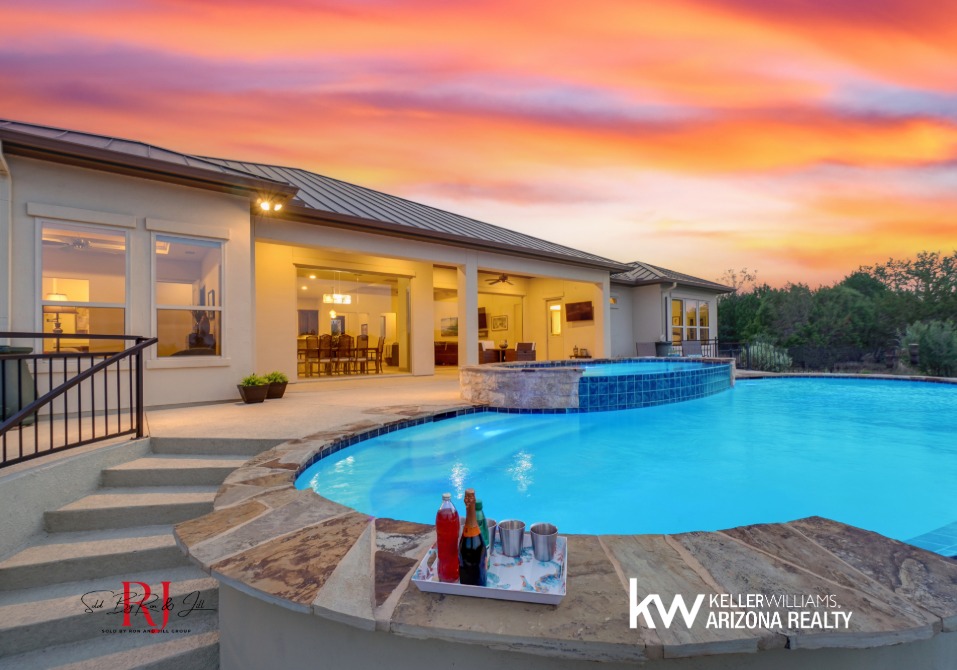
How Real Estate Commission Works in Phoenix
How Real Estate Commission Works in Phoenix | 2026 How Real Estate Commission Works in Phoenix Bottom Line Up Front
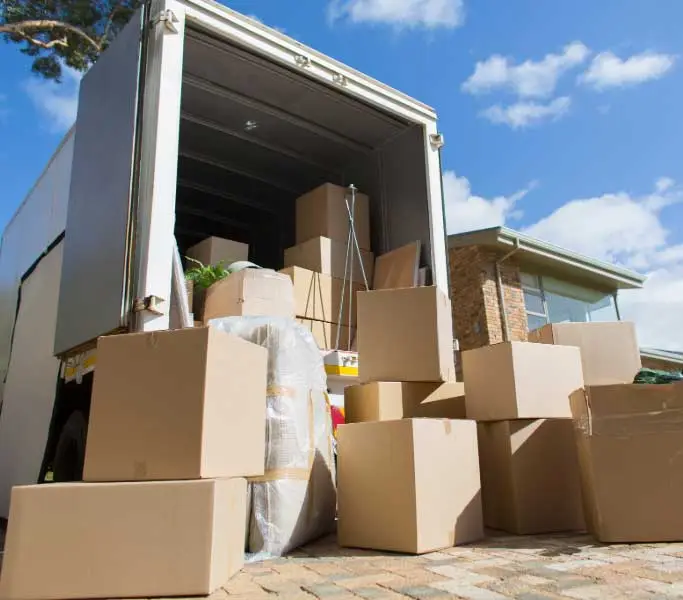
Moving on a Budget in Phoenix: 7 Ways to Save Money
Moving on a Budget in Phoenix: 7 Ways to Save Money | 2026 Moving on a Budget in Phoenix: 7