
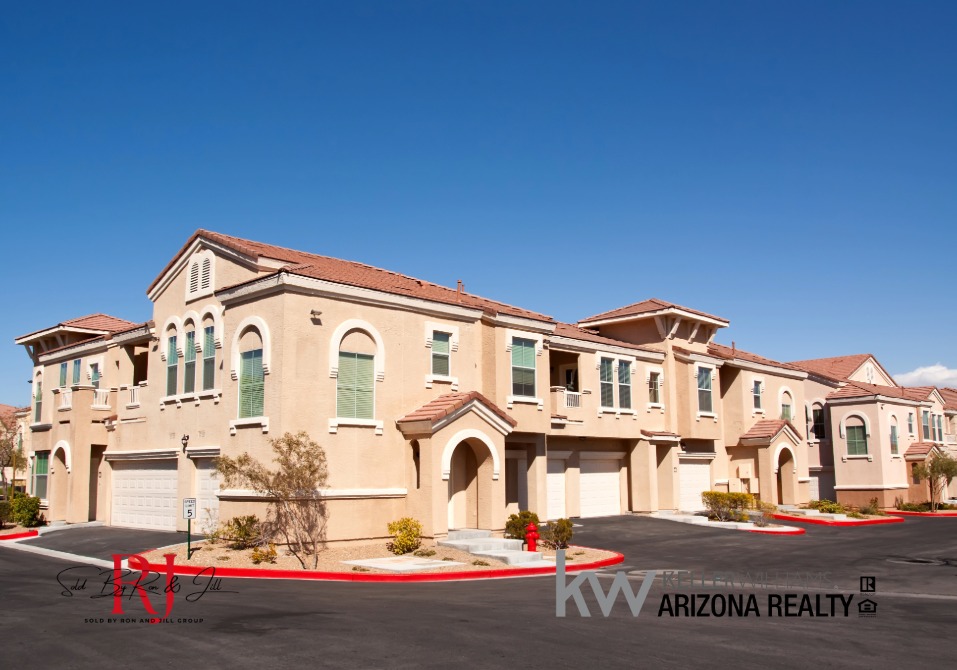
Buying a House With Unpermitted Additions in Phoenix: What to Know
Unpermitted additions in Phoenix Metro homes transfer their compliance liability to whoever holds the deed at closing. The seller’s motivation is irrelevant once you sign. What matters before you do: identifying what’s permitted, understanding what remediation costs, and knowing whether your lender, appraiser, and insurer will recognize the square footage at all.
The Terrain: What the Market Says Right Now
As of early 2026, ARMLS data shows 24,358 active listings across the Phoenix Metro with a median days on market of 71 days and an average of 94. The metro median closed price is $444,740. Nearly 60% of Q3 2025 closings came in below list price, with 56% of transactions including seller concessions averaging around $10,000. That is the leverage context. Buyers in the $450K–$700K range are not in a sprint. They have time to verify, negotiate, and walk if the numbers do not hold up.
In the West Valley — Goodyear, Surprise, Buckeye, Peoria, and Litchfield Park — the inventory of 1980s through early-2000s construction is substantial. These homes often have large lots and multiple outbuildings, enclosed patios, or converted garages that predate current permit records. Buyers working in this price range and these submarkets are statistically likely to encounter unpermitted work at some point in their search. Knowing how to respond when they do is part of the preparation.
The Weather: Why Buyers Get This Wrong
Most buyers who discover unpermitted additions arrive at the same fork. The house looks functional. The addition adds usable space. The price accounts for it. The gut read is that the paperwork issue is manageable — a minor bureaucratic detail that someone will sort out after closing.
That is where the liability transfers. The compliance responsibility belongs to the current owner of record. Once you close, that is you. Lenders, insurers, and county compliance departments do not factor in what the previous owner intended. They look at the deed and the permit record, and they act accordingly.
The question is not whether unpermitted work is a dealbreaker. Sometimes it is not. The question is whether the buyer has a clear-eyed picture of what they are taking on — and whether the purchase price accounts for it.
Phoenix Metro Permit Jurisdiction: The Split That Affects Your Research
Phoenix Metro has a divided permit jurisdiction, and which side a property falls on determines where you go to verify records. If the property is inside an incorporated city — Phoenix, Goodyear, Surprise, Peoria, Buckeye, Glendale, or Litchfield Park — that city’s building department handles permitting. Each city maintains its own online permit portal.
Properties in unincorporated Maricopa County fall under Maricopa County Planning and Development, headquartered at 301 W. Jefferson St. in Phoenix. The county’s Permit Center covers projects filed after May 18, 2009. The Permit Viewer covers records from October 1, 1999 through May 2009. For anything predating 1999, a formal Permit Research Request submitted to the county is the pathway.
Practical step: Before making an offer, compare the listed square footage against the Maricopa County Assessor records for the parcel. A discrepancy of more than 50–100 square feet warrants a permit pull. Listings that include a "buyer to verify square footage" notation are sometimes a soft signal that the listing agent is aware the numbers do not reconcile.
What Unpermitted Work Actually Costs You
The financial exposure from buying a home with unpermitted additions runs across four separate channels. Each one can materially affect your transaction or your ownership costs after closing.
Appraisal Risk
An appraiser working from county assessor records who identifies a structure not reflected in the permit history may exclude that square footage from the valuation. If the seller priced the home based on total square footage — including the unpermitted addition — the appraisal may come in below contract price. That gap does not resolve itself. It becomes a price renegotiation, an increased down payment to cover the shortfall, or a contract cancellation.
Lending Exposure
Conventional lenders following Fannie Mae guidelines will not lend against square footage excluded from a certified appraisal. FHA and VA loans carry additional property condition standards that unpermitted spaces can fail. The loan amount you were pre-approved for assumed a certain appraised value. If that value drops because unpermitted space was excluded, your financing gap widens.
Insurance Gap
Standard homeowner’s insurance policies routinely exclude coverage for unpermitted spaces. A fire originating in a converted garage that was never inspected gives the insurer documented grounds to deny the related claim. This is not a technicality — it is a coverage exclusion that insurers enforce. Before closing on a home with any addition, get a written coverage determination from your insurer that specifically addresses the unpermitted square footage.
Retroactive Permitting Costs
Maricopa County’s Compliance Inspection Permit process is the formal mechanism for bringing an unpermitted structure into compliance. The requirements include as-built plans sealed by an Arizona-registered architect or structural engineer, aerial photographs, a to-scale site plan, full code compliance inspections by county inspectors, and remediation of any work that does not meet current code standards. The permit fee itself is doubled when work was completed without a permit — that is a Maricopa County Local Additions penalty built into the fee schedule.
Scope determines cost. A simple patio enclosure with no electrical might run $3,000–$5,000 in total remediation costs. A full garage conversion with plumbing, HVAC, and electrical that requires architectural plans and structural review can reach $15,000 or more. Get two estimates from licensed Arizona contractors before accepting any seller credit intended to offset these costs.
| Addition Type | Typical Compliance Risk Level | Common Remediation Factors |
|---|---|---|
| Enclosed patio / Arizona room | Moderate | Structural, roofing, egress windows |
| Garage conversion to living space | High | HVAC, electrical, insulation, egress, flooring grade change |
| Detached casita / guest structure | High | Electrical, plumbing, zoning setbacks, utility connections |
| Deck / patio addition | Low–Moderate | Structural footings, setbacks, load calculations |
| Room addition beyond footprint | High | Foundation, structural, full architectural plans required |
Detecting Unpermitted Additions During Your Search
Several physical signals during a property tour indicate that a permit pull is warranted before proceeding.
Grade changes at room thresholds. A step down when moving from the main living area into an adjacent room — particularly one accessed through what was a garage door opening — is one of the more reliable physical indicators of a conversion. Garages are built on slabs positioned below finished floor height. Conversions frequently leave that grade differential intact.
Wall-mounted A/C units in spaces that should connect to the home’s duct system. When a conversion was done without proper HVAC permitting, the installer often uses a wall unit rather than tapping into existing ductwork. This is both a comfort issue and a code compliance signal.
Square footage discrepancies. Pull the Maricopa County Assessor record for the parcel and compare against the MLS listing. If the listing shows 2,200 square feet and the assessor record shows 1,650, that 550-square-foot gap is the addition.
Unusual electrical or plumbing configurations. Panel boxes that appear oversized for the listed square footage, exposed conduit runs, or plumbing connections that do not trace cleanly to the original floor plan all warrant professional evaluation.
If you spot any of these indicators on a tour, your agent can formally request the original blueprints from the listing agent. Compare what’s built against what was originally permitted. The discrepancy is the conversation.
Arizona Disclosure Law and Your Negotiating Position
Arizona Revised Statutes section 32-2156 mandates that sellers disclose known material defects. The Arizona Association of Realtors Seller’s Property Disclosure Statement — the standard form used in virtually every Metro Phoenix transaction — explicitly asks whether the seller is aware of any unpermitted construction. Disclosure is not optional, and it is not waivable by an as-is clause.
Arizona courts have been consistent on this point: an as-is clause limits a buyer’s post-inspection remedies, but it does not excuse the seller from disclosing known conditions. A seller who checked "no" on the unpermitted construction question while knowing about unpermitted work is exposed to claims of misrepresentation and breach of contract.
Liability note: In the current legal environment, Arizona real estate litigation tied to disclosure failures is increasing. Gottlieb Law’s 2025 analysis of Arizona disclosure litigation notes that unpermitted additions are among the most common subjects in post-closing buyer claims. The disclosure form is the paper trail.
The Pivot: Your Options When You Find Unpermitted Work
Unpermitted additions discovered after acceptance are not automatic deal-killers, but they require a defined response. Ambiguity at this stage is where buyers absorb costs they did not price in.
Option 1: Require the seller to permit it before closing. This is the cleanest outcome. The seller pulls the Compliance Inspection Permit, the work passes inspection, and title transfers with clean permit history. In a market where 56% of sellers are already offering concessions, this request is not aggressive. It is standard due diligence executed correctly.
Option 2: Negotiate a price reduction reflecting remediation cost. Get two written estimates from licensed Arizona contractors. Use the higher estimate as your negotiating floor. A seller credit that underestimates the actual remediation cost leaves you holding the difference. Take the time to get real numbers.
Option 3: Cancel the contract. The inspection contingency in an Arizona Association of Realtors Purchase Contract exists for this reason. If the seller will not permit, will not reduce, and the gap between what you are paying and what the property is actually worth after remediation is material — cancel. In a market with 24,358 active listings and a 94-day average DOM, the inventory will replace this one. The house with clean permit history is a more defensible purchase.
Frequently Asked Questions
Does unpermitted work have to be disclosed in Arizona?
Yes. Arizona Revised Statutes section 32-2156 requires disclosure of known material defects. The AAR Seller’s Property Disclosure Statement directly asks about unpermitted construction. A seller who conceals known unpermitted work faces potential claims for misrepresentation and breach of contract.
Can I get a mortgage on a home with unpermitted additions in Phoenix?
Possibly, but the unpermitted square footage may be excluded from the appraisal. If the appraised value comes in below contract price, your loan amount may be reduced accordingly. FHA and VA loans carry additional property condition requirements that unpermitted spaces may not satisfy.
How do I verify permit history on a Phoenix Metro property?
For properties inside an incorporated city — Phoenix, Goodyear, Surprise, Peoria, Glendale — check that city’s online permit portal. For unincorporated Maricopa County, use the Permit Center for projects filed after May 18, 2009, and the Permit Viewer for older records at maricopa.gov/797/Planning-Development.
What is a Compliance Inspection Permit in Maricopa County?
A Compliance Inspection Permit is Maricopa County’s retroactive permitting pathway for structures built without permits. The process requires as-built plans sealed by an Arizona-registered architect or structural engineer, code compliance inspections, and remediation of any work not meeting current code. Permit fees are doubled when work was done without a permit.
Who is responsible for unpermitted additions after closing?
The buyer. Once title transfers, compliance responsibility transfers with it. This includes potential fines, back taxes on unreported square footage, and required remediation if the jurisdiction identifies the unpermitted work post-closing.
Does an as-is sale protect the seller from unpermitted addition liability in Arizona?
Not for disclosure purposes. Arizona courts have consistently held that as-is language limits a buyer’s post-inspection negotiating rights but does not excuse the seller’s duty to disclose known material facts, including unpermitted additions. Selling as-is does not eliminate the disclosure requirement.
What are the most common unpermitted additions in Phoenix Metro homes?
Garage conversions to living space, enclosed patios and Arizona rooms, detached casitas or guest structures, deck and patio additions, and room additions beyond the original footprint. West Valley homes built between the 1980s and early 2000s on larger lots commonly have one or more of these.
Can I get homeowner’s insurance on a home with an unpermitted addition in Phoenix?
Insurers may cover the main structure but exclude unpermitted spaces from coverage. If a loss event occurs in an unpermitted area — a fire in an uninspected electrical conversion, for example — the insurer has grounds to deny the related claim. Get a written coverage determination from your insurer before closing.
Get a Briefing Before You Make an Offer
Permit issues are resolvable — but only when you find them before you close. Schedule a consultation with Ron and Jill to walk through what’s verifiable, what’s negotiable, and what the West Valley market data actually shows for the price range you’re targeting.
🤝 Agent Referral



Phoenix Closing Documents: The Ultimate Guide to What You’ll Need
Phoenix Closing Documents: The Ultimate Guide to What You’ll Need | Sold By Ron and Jill Group Phoenix Closing Documents:

How to Know if a Phoenix House Is Overpriced
How to Know if a Phoenix House Is Overpriced | Sold By Ron and Jill Group How to Know if