Duplex vs. Townhouse in Phoenix: Which Is the Better Choice for You?
What These Two Product Types Actually Look Like in the Phoenix Market
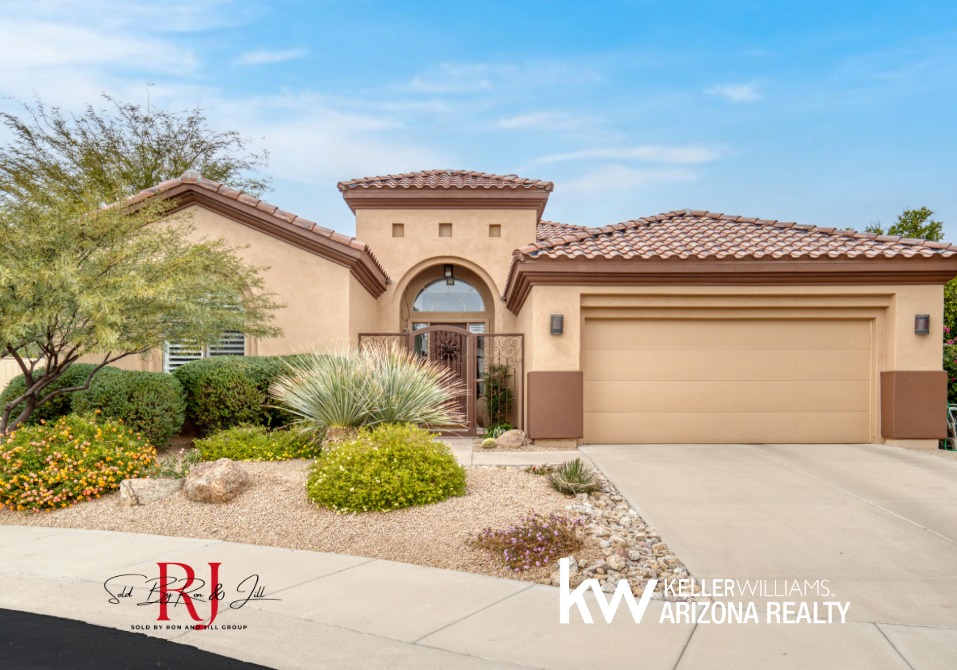
The Phoenix Metro duplex market is thin relative to single-family inventory. True side-by-side or up-down duplexes with separate addresses and utility meters — the kind that qualify for owner-occupied financing — represent a small fraction of total available inventory. When they appear in the West Valley, they are typically priced between $380,000 and $600,000 depending on age, location, and the condition of both units. Goodyear, Peoria, and parts of Glendale carry the most active duplex inventory in the northwest corridor.
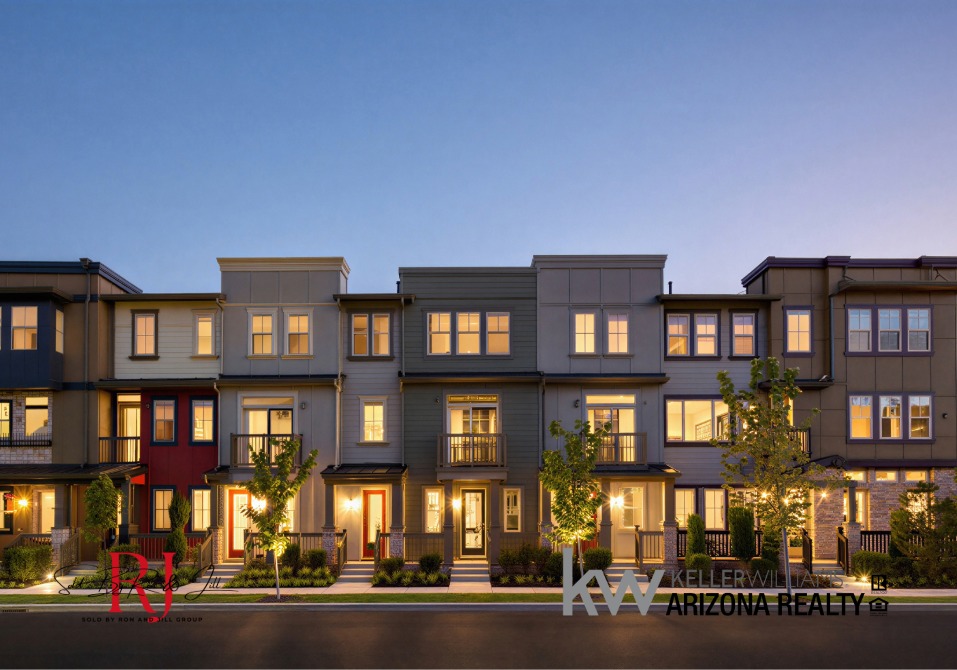
Townhouses are far more common across the Metro. The West Valley has seen significant townhouse and attached-home construction through the 2020s, particularly in master-planned communities in Buckeye, Surprise, and Peoria. Entry-level townhouses start around $280,000 in Buckeye’s outlying communities and run to $500,000-plus in closer-in Peoria and Glendale locations. HOA fees average $150 to $400 per month depending on amenity package. As of early 2025, Phoenix Metro attached product is sitting at 50 to 70 days on market — slightly longer than single-family, reflecting softer demand in that segment.
Who Is Actually Looking at This Comparison
The buyers weighing a duplex against a townhouse in Phoenix are not the same demographic. The duplex consideration almost always has an investment motivation embedded in it — the buyer is running numbers on rental income, asking whether the rent from the second unit can offset a meaningful portion of the mortgage. The townhouse buyer is typically prioritizing lifestyle: lower entry price, reduced maintenance burden, community amenities, and the ability to lock and leave.
The comparison is worth making clearly because both products are available in overlapping price ranges — and choosing the wrong one for your actual goal creates problems that compound over time.
How Duplexes Work in Phoenix: The Financial Case and the Complications
A duplex in the Phoenix Metro is a single building containing two separate dwelling units, each with its own entrance, typically its own utility meters, and its own lease or occupancy. When an owner occupies one unit and rents the other, this is called house hacking — and in Phoenix’s current rate environment, it can be one of the more effective strategies available to a first-time or move-up buyer.
The math on a Phoenix duplex depends entirely on the rent achievable from the second unit. A duplex in Peoria priced at $450,000, with a market rent of $1,600 to $1,900 per month for the vacant unit, produces a gross rent offset that can reduce the effective carrying cost of the property by 30% to 40% depending on your financing structure. FHA allows buyers to use 75% of projected rental income to qualify — which can meaningfully expand your qualifying purchase price.
The complications are real. Duplexes in Phoenix require R-2 or multi-family zoning. Not every property that looks like a duplex has the correct zoning designation for legal two-unit occupancy. Before writing an offer on any duplex, a zoning verification with the relevant municipality — Maricopa County, or the city of Peoria, Goodyear, or Glendale — is non-negotiable. Unpermitted second units or conversions without permits create title, financing, and resale complications that are expensive to unwind.
Duplex financing through FHA requires owner-occupancy of one unit. Conventional financing for an owner-occupied duplex requires as little as 15% down. An investment duplex purchased without owner-occupancy shifts into non-owner-occupied territory: 20% to 25% down and a rate premium of 50 to 75 basis points above a primary residence rate.
How Townhouses Work in Phoenix: The Lifestyle Case and the Hidden Costs
A townhouse in the Phoenix Metro is an attached single-family home, typically multi-story, sharing one or two walls with neighboring units. The buyer owns the interior of their unit from floor to ceiling and a defined portion of the lot. The HOA owns and maintains the exterior envelope — roof, exterior paint, landscaping, and common areas.
The townhouse value proposition in a Phoenix summer is concrete: you are not responsible for roofing, exterior maintenance, or landscaping in 115-degree heat. For buyers who travel frequently or simply have no interest in owning a lawn mower, this matters more than the monthly HOA fee suggests. The tradeoff is permanent dependence on the HOA’s financial competence. A community with a thin reserve fund is one major roof replacement away from a special assessment that lands on every unit owner simultaneously.
HOA due diligence is not optional on a townhouse purchase. Arizona law entitles buyers to review HOA financial documents during the inspection period. The reserve study, the meeting minutes from the past 12 months, the current operating budget, and any pending litigation or special assessment notices are the documents that tell you whether you are buying into a stable community or a deferred maintenance crisis. The monthly fee is the least important number in that stack.
Townhouse appreciation in the Phoenix Metro has generally tracked single-family appreciation in the same corridors, but with a discount at entry and at exit. The spread narrows in high-demand areas like central Peoria or Surprise’s master-planned communities. It widens in more commodity product.
The Side-by-Side: Where These Products Actually Differ
| Factor | Duplex | Townhouse |
|---|---|---|
| Typical Phoenix price range | $380K–$600K | $280K–$500K |
| HOA fees | Usually none | $150–$400/month typical |
| Rental income potential | High — live in one unit, rent the other | Low to none (single-unit ownership) |
| Maintenance responsibility | Full exterior + both units | Interior only; HOA handles exterior |
| Financing options | Conventional, FHA (owner-occ), investment loans | Conventional, FHA (if warrantable), VA |
| Privacy | Shared wall with tenant; you control tenant selection | Shared walls with neighbors; no landlord control |
| Appreciation history (West Valley) | Slower appreciation; income-valued | Faster in growth corridors |
| Zoning complexity | R-2 / multi-family zoning required | Typically R-3 / planned community |
| Best fit | Owner-investor; house hacking; long-term hold | Primary buyer; first-time buyer; low-maintenance lifestyle |
Financing Differences That Change the Decision
FHA on a duplex: You can purchase an owner-occupied duplex with 3.5% down, and 75% of projected rental income from the vacant unit can be added to your qualifying income. On a $450,000 duplex in Peoria with $1,800 in projected monthly rent, FHA allows you to add $1,350 per month to your qualifying income — which can move your debt-to-income ratio meaningfully. The property must be FHA-appraised as a legal two-unit dwelling.
FHA on a townhouse: FHA will finance a townhouse only if the project is FHA-approved or meets spot approval criteria. Not all Phoenix-area townhouse communities carry FHA approval. If the HOA has pending litigation, is more than 15% delinquent on dues, or has investor ownership exceeding 50% of units, it will not qualify. Check FHA approval status through HUD’s condo approval database before assuming FHA is available.
VA on a townhouse: VA financing is available for townhouses that meet VA condominium approval requirements. Similar approval constraints apply. Veterans considering a Phoenix townhouse with VA financing should confirm VA project approval status before entering a contract.
Conventional investment duplex: Without owner-occupancy, plan for 20% to 25% down and a rate premium. At a $500,000 purchase price, 20% down is $100,000. The income from the duplex must justify that capital deployment against alternative investments.
The Tactical Read: Which One Is Right for Your Situation in 2025
If your primary goal is income offset and long-term asset building — and you are prepared for landlord responsibilities — the Phoenix duplex makes a compelling case in the current market. Days on market on duplex product have extended, and motivated sellers in that thin inventory pool are more negotiable than they were two years ago.
If your primary goal is an affordable entry into homeownership with reduced maintenance responsibility, and you have verified the HOA financial health of your target community, a West Valley townhouse in Buckeye, Surprise, or Peoria can deliver strong value relative to single-family in the same price tier. The key discipline is the HOA review — skip it and you absorb the community’s financial risk without knowing it.
The honest assessment is that neither product is right for everyone. The buyers who make the wrong choice are almost always the ones who picked the product category before they defined their financial objective. Define the objective first. Then find the product that serves it.
Frequently Asked Questions: Duplex vs. Townhouse in Phoenix
Schedule Your Consultation
Choosing between a duplex and a townhouse in Phoenix is a financial architecture decision as much as a real estate one. The right answer depends on your income, timeline, risk tolerance, and the specific inventory available in your target submarket. One conversation with Ron and Jill maps your actual numbers against the current Phoenix market and gives you a clear read on which product serves your objective.