
What Not to Fix When Selling Your House in Phoenix
The question every Phoenix seller asks is “what do I need to fix before listing?” The smarter question is “what should I spend money on, and what should I skip?” Those are not the same question. In a 2026 Phoenix market where 59.6% of Q3 2025 closings settled below list price and the average seller concession runs $10,000, the cost-of-fix calculation runs in both directions. Some repairs prevent $5,000 inspection credits. Others cost $8,000 and return $3,000. The framework that matters is not “fix everything” or “fix nothing”—it is fix what generates buyer leverage, skip what does not, and understand where the Phoenix market draws the line between the two.
The Terrain: What the Phoenix Market Rewards and What It Doesn’t
The January 2026 ARMLS STAT report puts Phoenix Metro at a $444,740 median sales price, a 98% sale-to-list ratio, and 94 average days on market. With 59.6% of Q3 2025 closings settling below list price and a 56% concession rate averaging $10,000, this is a market where over-improvement is just as real a risk as under-improvement.
The appraisal constraint is real and Phoenix-specific. In West Valley submarkets where active builders are delivering new homes with warranties, design center upgrades, and rate buydowns, a 1990s or 2000s resale home that has been renovated to a price point above the neighborhood comp ceiling will not appraise at the renovation cost. An appraiser is constrained by what comparable homes in the area sold for—not by what you spent. A kitchen remodel that costs $35,000 in a neighborhood where comparable homes sell for $450K–$480K may return $8,000–$12,000 in appraised value, if it returns anything at all beyond standard condition adjustments.
The BINSR reality compounds this. In Arizona’s inspection-period-driven transaction structure, buyers who find items during their inspection submit a Buyer’s Inspection Notice and Seller’s Response (BINSR). The items they request are almost always the items that generate real buyer leverage: HVAC condition, roof issues, electrical deficiencies, water intrusion. The items they do not request a credit for are the ones that do not affect function, safety, or appraisability. Sellers who spend $3,000 replacing tile in a guest bathroom before listing are spending money on something a buyer would not have put on a BINSR—while perhaps not addressing the $150 HVAC service that would have prevented a $3,500 credit request.
The Framework: Cost-of-Fix vs. Buyer-Leverage-Impact
The decision framework for every potential pre-listing repair is a two-variable calculation: what does it cost to fix, and how much buyer leverage does it generate if left unfixed? Items that are cheap to fix and generate significant leverage get fixed. Items that are expensive to fix and generate minimal leverage get skipped or disclosed and priced in.
| Item | Cost to Fix | Buyer Leverage if Unfixed | Decision |
|---|---|---|---|
| HVAC annual service (with receipt) | $80–$150 | High — generates BINSR credit demand of $3K–$12K | Always fix |
| Non-functioning GFCI outlets | $15–$25 each | Medium — code deficiency item; inspector will cite it | Fix |
| Full kitchen remodel | $25,000–$60,000 | Low — buyers price in preference; appraisers constrained by comps | Skip |
| New HVAC system (10+ year unit, functioning) | $8,000–$14,000 | Medium — addressed via $3K–$5K credit or price adjustment | Skip; offer credit |
| Pool resurfacing (cosmetic, not leaking) | $5,000–$10,000 | Low to medium — buyers negotiate but rarely walk on cosmetic pool surface | Skip; disclose and price |
| Full bathroom remodel | $15,000–$30,000 | Low — buyers expect to customize; ROI typically 50% or less | Skip |
| Neutral interior repaint | $1,500–$4,000 | High — dramatically affects first impression and photo quality | Fix |
| New appliances (functioning) | $3,000–$8,000 | Low — buyers choose their own; does not appraise dollar-for-dollar | Skip |
| Roof replacement (aging but not actively leaking) | $12,000–$25,000 | Medium — addressed via price adjustment or credit; not automatic walk | Skip; disclose and price |
| Desert landscaping cleanup | $200–$600 | High — affects curb appeal, first impression, and listing photo quality | Fix |
What Not to Fix in Phoenix: The Specific Categories
Full Kitchen and Bathroom Remodels
A full kitchen or bathroom remodel is the most common over-improvement error Phoenix sellers make. Per the 2025 NAR Remodeling Impact Report, kitchen renovations return an average of 60% of their cost, and bathroom renovations return approximately 50%. In Phoenix’s West Valley—where new construction with design center upgrades is readily available to buyers in the same price range—a resale renovation that costs $40,000 may generate $15,000–$20,000 in appraised value improvement against a comp ceiling that has already been set by comparable sales.
What works instead: minor kitchen refreshes that address visual fatigue without structural change. New cabinet hardware ($200–$400 total), fresh paint on dated cabinet faces without replacing boxes ($800–$2,000), a new faucet if the existing one is obviously corroded ($150–$400). These are cosmetic signals that the kitchen has been maintained, not an overhaul that buyers may not want or value.
New Appliances
Replacing functioning appliances before listing is one of the most predictable ways to spend $4,000 and not see it in your sale price. Buyers have strong preferences about appliances—brand, finish, configuration—and they routinely replace appliances in homes they purchase regardless of what the seller installed. A $2,500 stainless range installed a month before listing that a buyer immediately replaces with a different brand is not a selling point. It is a cost.
The exception: if an appliance is visibly broken or non-functional, the fix is worth considering depending on cost. A dishwasher that does not run is a BINSR item. A working dishwasher that is an older model is not.
HVAC Replacement When the System Still Functions
This is the most Phoenix-specific nuance on this list. An air conditioning system that is 10–12 years old in Phoenix is approaching the end of its actuarial life—but it may be functioning well with documented service. The instinct of many sellers is to replace it pre-listing to avoid the conversation. The math rarely supports that instinct.
A new HVAC system costs $8,000–$14,000 installed. A buyer’s typical BINSR credit request on a 10-12 year old maintained system runs $3,000–$5,000. The seller who replaces the system pre-listing spends $10,000 and does not receive that amount back in price—because the appraiser’s adjustment for a functioning maintained system versus a new system is far less than the replacement cost. The seller who services the system ($150), provides the dated receipt, and builds a credit into the pricing strategy typically nets more. The caveat: a system that is actively failing, producing unsafe operation, or cannot be serviced is a different calculation.
The HVAC math: Service the unit for $150, produce a dated receipt, and accept a $3,500 credit in the inspection negotiation. Total cost: $3,650. Replace the unit pre-listing for $10,000. Amount recovered in appraised value or sale price: $3,000–$5,000 on a good day. The service-plus-credit strategy wins the net proceeds comparison in almost every scenario where the system is still functional.
Roof Replacement (Aging But Not Actively Leaking)
A 15–18 year old tile-over-foam or flat roof in Phoenix that is aging but not showing active leaks, interior water damage, or obvious structural failure is a pricing and disclosure issue, not necessarily a replacement issue. A full roof replacement costs $12,000–$25,000 on a typical West Valley home. Roofing ROI for resale typically falls in the 60–70% range nationally, and in a market where buyers have options and appraisers are constrained by comps, that percentage can run lower.
The practical approach: have a licensed roofer inspect the roof before listing ($300–$400), obtain a written condition assessment, and disclose both the age and the assessment status in the SPDS. A seller who has a professional report saying the roof has 3–5 years of remaining serviceable life is in a much stronger BINSR negotiation position than a seller who has no documentation and lets the buyer’s inspector make the first formal assessment.
If the roofer identifies targeted repairs—a specific flashing failure, a section of foam that needs recoating, a penetration that needs sealing—those targeted repairs at $500–$2,000 are worth doing. They prevent the buyer’s inspector from photographing a clearly addressable issue and using it as leverage for a much larger credit. Full replacement based on age alone, without condition evidence of failure, is usually not the right call.
Pool Resurfacing (Cosmetic, Not Structurally Failing)
Pool resurfacing costs $5,000–$10,000 and is one of those items buyers will negotiate, but rarely walk on if the pool holds water and the equipment functions. A pool with visible plaster wear or surface staining that does not leak is a cosmetic condition item—not a structural failure. The buyer can price it in; so can you. Disclose the condition, get a pool inspection ($150–$250) to document that the pool equipment is operational and the shell has no structural leaks, and price accordingly. A $7,000 pre-listing resurface does not return $7,000 in price.
Flooring Replacement (Unless Genuinely Failed)
Tile flooring throughout a 2005 Phoenix West Valley home looks dated. Buyers know this. They also budget for it. Replacing functional, intact tile throughout a 2,000 square foot home costs $12,000–$18,000 and returns a portion of that in value only if it brings the home up to the neighborhood standard—not above it. If comparable homes in your immediate area all have updated LVP flooring and yours has original tile, the market differential is real and may be worth addressing. If you are in a neighborhood of similar vintage homes where original tile is the norm, the buyer expects it and the comp ceiling reflects it.
Carpet is different. Worn, stained carpet in bedrooms is a first-impression problem that photographs poorly and signals deferred maintenance more broadly. A basic carpet replacement at $3–$4 per square foot is one of the better-ROI cosmetic investments before listing.
Permit Issues from Prior Owner Work
Unpermitted work that was completed by a prior owner presents a specific decision point in Arizona. You are required to disclose known material facts, including known unpermitted additions or improvements. You are not automatically required to remediate them. In many cases, the cost of retroactively permitting an older addition exceeds the value impact of having the permit. The disclosure approach—note the issue on the SPDS, attach whatever documentation you have about the work, and price the home to account for it—is often cleaner than attempting retroactive permitting on a timeline that does not support it.
What the BINSR Process Tells You About What to Fix
The BINSR (Buyer’s Inspection Notice and Seller’s Response) is where the real repair negotiation happens in Arizona. Understanding what buyers actually put on BINSRs in the $450K–$700K West Valley market tells you where pre-listing money is well spent and where it is not.
BINSR requests in this market cluster around: HVAC servicing or age documentation, roofing issues (specific deficiencies, not age alone), electrical code deficiencies (non-functioning GFCIs, double-tapped breakers), water heater age and TPR valve issues, pool equipment servicing, and plumbing issues that were observable at the time of inspection. These are functional and safety items.
BINSR requests rarely include: dated kitchen finishes, original tile flooring, aging but functioning appliances, cosmetic cracks in stucco that are properly sealed, interior paint choices, or pool surface cosmetics without structural failure. These are aesthetic items that buyers price into their offer, not items they put on inspection requests.
The implication for pre-listing spending is direct: address the functional and safety categories that generate real BINSR leverage (HVAC, GFCI, roof documentation, water heater). Skip the cosmetic categories that buyers absorb in their offer price rather than extract in post-inspection negotiation.
Do not over-fix and then underprice. The other failure mode. Some sellers spend $20,000 pre-listing on improvements that do not move their appraised value above the neighborhood comp ceiling, then price at market because they feel they should recover the spend. This results in the worst of both outcomes: money spent that did not translate to price, and a listing that sits because the price is still not where it needs to be relative to active competition. Consult your agent on what the comp ceiling in your specific neighborhood supports before spending a dollar on any project.
The Pivot: What to Do Instead of Over-Fixing
The alternative to over-fixing is not under-fixing. It is smart triage. The three things that have the strongest impact on a Phoenix listing’s days on market and final net proceeds—without the risk of over-improvement—are correct pricing from day one, professional photography with proper outdoor-space staging, and addressing the specific functional items that generate BINSR leverage at a cost far below the credit they would otherwise generate.
A seller who prices correctly, invests $3,000–$5,000 in targeted functional fixes and presentation (HVAC service, GFCI outlets, fresh neutral paint, desert landscaping cleanup, professional photography), and goes to market with a well-structured disclosure package is in a stronger position than a seller who spends $30,000 on a kitchen remodel they will not recover and lists at a price the market has already told them it will not support.
Frequently Asked Questions: What Not to Fix Before Selling in Phoenix
In most cases, no. A functioning HVAC system with documented annual service and dated receipts is a defensible position in any BINSR negotiation. A 10–12 year old maintained system typically generates a $3,000–$5,000 credit request—far less than the $8,000–$14,000 replacement cost. Service the unit, produce the receipt, and price accordingly. If the system is actively failing, unsafe, or cannot be serviced, that changes the calculation.
Rarely. Per NAR’s 2025 Remodeling Impact Report, kitchen renovations return an average of 60% of their cost. In Phoenix’s West Valley, where builders are delivering new homes with updated kitchens in the same price range, a resale renovation that costs $35,000 may return $15,000–$20,000 in appraised value if the comp ceiling supports it—and often it does not. Minor refreshes (hardware, faucet, paint on dated cabinets) accomplish the visual signal at a fraction of the cost.
Not necessarily. Have a licensed roofer inspect and produce a written condition assessment ($300–$400). Disclose the roof age and assessment on the SPDS. If the roofer identifies targeted repairs (specific flashing, foam recoat, penetration seal), do those at $500–$2,000. Full replacement on an aging-but-functional roof at $12,000–$25,000 typically does not return dollar-for-dollar in the Phoenix resale market. The documentation and targeted repair approach is almost always more cost-effective than pre-listing replacement.
Not if the pool holds water and the equipment functions. Pool resurfacing for cosmetic wear costs $5,000–$10,000 and does not return that amount in sale price for cosmetic-only surface condition. Get a pool inspection to document that equipment is operational and the shell has no structural leaks, disclose the surface condition, and price accordingly. Buyers negotiate on cosmetic pool condition but rarely walk on it.
Only if an existing appliance is non-functional and the replacement cost is low. Buyers have strong preferences about appliance brands and finishes, and many plan to replace them regardless of what you install. Replacing functioning appliances before listing typically costs $3,000–$8,000 and does not return that amount in sale price. The exception is a broken appliance that will show up on a BINSR—evaluate the repair or replacement cost versus the likely credit request.
It depends on condition and neighborhood context. Original tile in a 2005 West Valley home is expected by the market and priced into comparable sales. If comparable homes in your immediate neighborhood all have updated flooring and yours does not, the comp differential may justify an investment. Worn, stained carpet that photographs poorly is worth replacing at $3–$4 per square foot. Intact, dated tile throughout a home where similar homes have similar tile is typically not worth replacing before listing.
Fix what generates real BINSR leverage at a cost far below the credit it would generate if unfixed: HVAC annual service with dated receipt ($80–$150), non-functioning GFCI outlets ($15–$25 each), fresh neutral interior paint if walls look tired ($1,500–$4,000), basic desert landscaping cleanup ($200–$600), and pool equipment service if more than 18 months since the last visit ($100–$250). These targeted investments protect net proceeds. Major renovations typically do not.
Over-improving means spending money on pre-listing improvements that exceed the neighborhood comp ceiling—the level at which comparable homes have sold. An appraiser is constrained by what similar homes in the area sold for, not by what you spent. A $40,000 kitchen remodel in a neighborhood where comparable homes sell for $450K–$480K may add $10,000–$15,000 to appraised value. The difference comes out of your pocket. In Phoenix’s West Valley, where new construction competition is active, the comp ceiling risk is particularly relevant to sellers considering major pre-listing renovations.
Get the Triage Right Before You Spend Anything
The difference between a profitable pre-listing strategy and an expensive one is the sequence: CMA first, comp ceiling understood, then triage. Ron and Jill run that analysis before you commit to any pre-listing project—so you spend where it moves your net proceeds and skip where it does not.
📅 Agent Referral


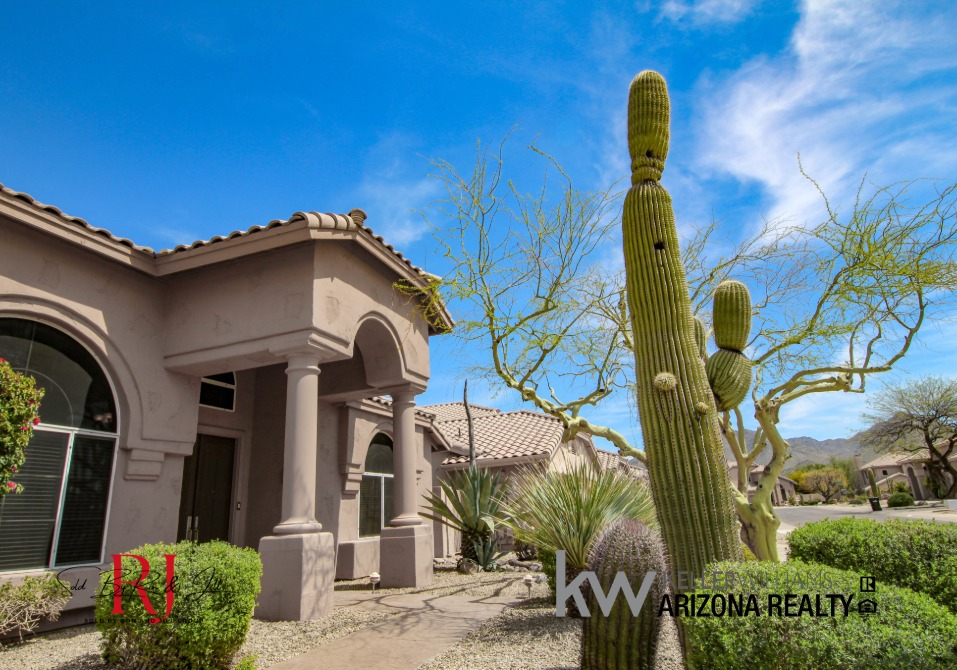
Emotional About Selling Your Phoenix Home? How to Detach and Sell With Confidence
Emotional About Selling Your Phoenix Home? How to Detach and Sell With Confidence Emotional About Selling Your Phoenix Home? How
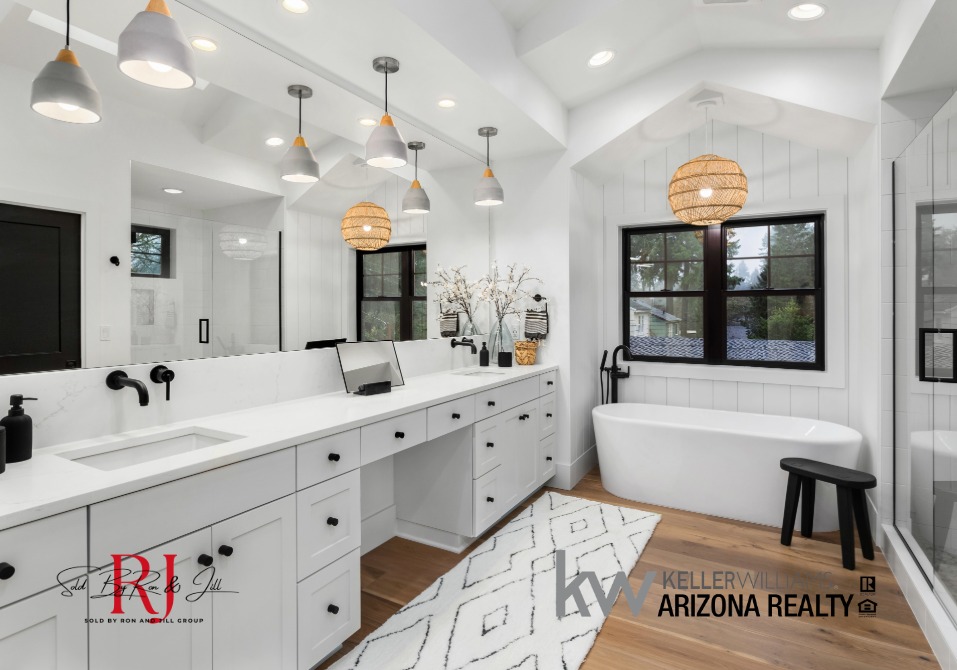
Phoenix Real Estate Photos: A Photographer’s Perspective
Phoenix Real Estate Photos: A Photographer’s Perspective | Sold By Ron and Jill Group Phoenix Real Estate Photos: A Photographer’s