
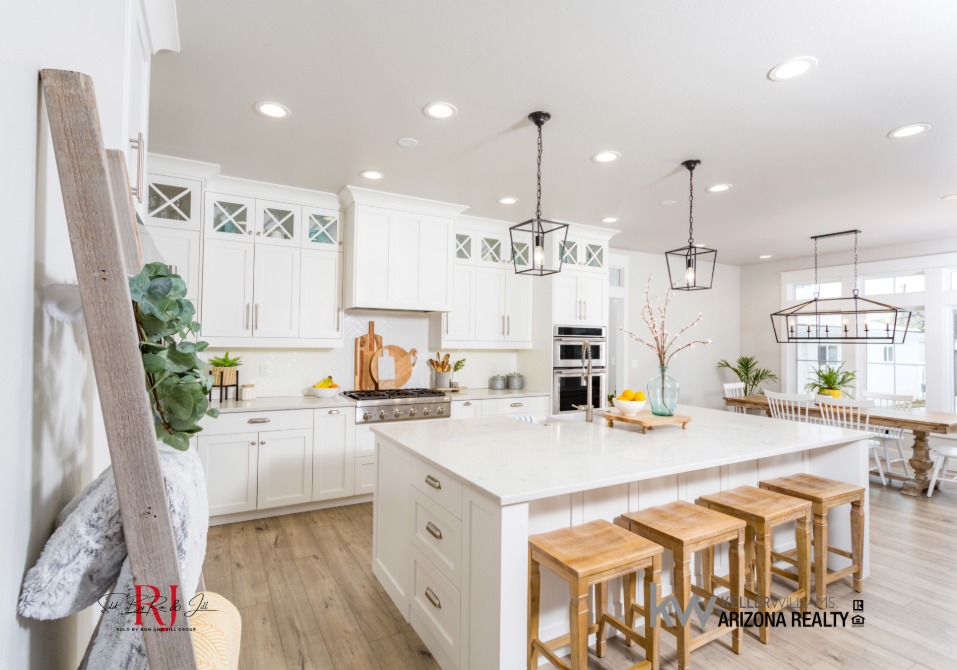
What Stays and What Goes in Phoenix Real Estate: Inclusions and Exclusions Guide
The Terrain: How Arizona Law and the AAR Contract Define What Conveys
Arizona uses a three-part legal test to determine whether an item is a fixture — and therefore part of the real property sale — drawn from the Arizona Supreme Court’s ruling in Voight v. Ott, 86 Ariz. 128 (1959). The three prongs: (1) annexation to the property; (2) adaptability, meaning the item is suited to the use of the property as attached; and (3) intent, meaning the installing party intended the item to be a permanent part of the structure.
The 2024 AAR Residential Resale Purchase Contract addresses this directly. Section 1g states that all existing fixtures on the premises, personal property specified in the contract, and the means to operate fixtures (including remote controls) shall convey in the sale. The AAR Legal Hotline reports that contract questions — including fixture and inclusion disputes — are by far the most common category of inquiry they receive statewide.
The seller also warrants that any additional personal property included in the sale will be in substantially the same condition at close of escrow as it was on the contract acceptance date. Document inclusions with photographs. It matters.
The Weather: Where Buyer and Seller Assumptions Diverge
Most inclusion and exclusion disputes do not involve bad faith. They involve different, uncommunicated assumptions. A seller who installed a $3,500 water softener two years ago may consider it personal property they are taking. The buyer who toured the home saw it operating and assumed it was part of the deal. Neither party is technically wrong under the general rule — the ambiguity is the problem.
Phoenix has several categories of property that create this ambiguity at higher rates than other markets: solar panels on leased systems, wall-mounted televisions, above-ground spas, outdoor built-in barbecues, citrus trees, and Ring doorbells. Each has a specific treatment in the AAR contract framework or Arizona statute — and each generates disputes when the contract is silent.
What Automatically Stays: Fixtures Under the AAR Contract
| Item | Status | Notes |
|---|---|---|
| Built-in appliances (dishwasher, range/oven, built-in microwave) | STAYS | Affixed to cabinetry or wired in — fixture |
| Cabinetry and countertops | STAYS | Structural fixture |
| Ceiling fans and light fixtures | STAYS | Wired in — fixture; remote controls also convey per AAR contract |
| Blinds, shutters, and affixed drapery rods | STAYS | Attached to wall/window frame |
| Garage door openers + all remotes | STAYS | AAR contract specifically names remote controls |
| In-ground pool/spa equipment (pumps, heaters, filters) | STAYS | Plumbed/wired into home systems |
| Plumbed-in water softener | STAYS | Connected to main water supply — fixture (common Phoenix gray zone) |
| Central vacuum system + attachments | STAYS | Built into walls |
| Built-in outdoor kitchen (permanently installed grill, countertops) | STAYS | Affixed to structure |
| Irrigation and drip systems | STAYS | Plumbed into property |
| In-ground plants and trees (including citrus) | STAYS | Real property — cannot be removed by seller |
| Hardwired security systems | STAYS | Wired into structure; listed in AAR contract |
| Owned solar panel system (purchased, not leased) | STAYS | Fixture; leased systems require AAR Solar Addendum |
What Does Not Automatically Stay: Personal Property
| Item | Status | Notes |
|---|---|---|
| Refrigerator | GOES | Explicitly personal property per AAR contract — must be checked and named to stay |
| Clothes washer and dryer | GOES | Same treatment as refrigerator; must be specified |
| Freestanding furniture (patio sets, dining sets) | GOES | Not attached — personal property |
| Curtains and drape panels | GOES | Rods stay as fixtures; fabric panels go with seller |
| Potted plants (containers) | GOES | Not in-ground; personal property |
| Television (wall-mounted) | GOES | TV is personal property; bracket/mount stays as fixture |
| Portable storage sheds (not anchored) | GOES | Freestanding, not affixed |
| Garden tools, hoses, lawnmowers | GOES | Personal property unless specifically included |
| Battery or plug-in smart devices (Ring doorbell, Nest) | GOES | Not hardwired — personal property |
| Portable water softener (hose connection) | GOES | Not plumbed in — personal property |
The Gray Zone: Phoenix Items That Generate the Most Disputes
Televisions and Wall Mounts
The wall mount bracket is a fixture — it is bolted to the wall and conveys. The television itself is personal property and goes with the seller. Best practice for both parties is to address televisions explicitly in the contract. A seller who removes a mounted TV should properly patch and paint the wall prior to close of escrow. A buyer who wants the TV should include it by make, model, and room location in the purchase contract.
Solar Panel Systems
Owned solar systems are fixtures and convey with the sale. Leased solar systems require the buyer to qualify with the leasing company to assume the lease — this process is governed by the AAR Solar Addendum, a separate form. Sellers with leased systems should disclose on the SPDS and attach the Solar Addendum early in the transaction, not as an afterthought at closing. Under A.R.S. § 33-1816, no Arizona HOA can prohibit solar installation outright. Solar is increasingly common in West Valley master-planned communities including Vistancia in Peoria, Estrella in Goodyear, and Verrado in Buckeye.
Ring Doorbells, Nest Thermostats, and Smart Home Devices
Hardwired smart home devices lean toward fixture status. Plug-in or battery-operated versions are personal property. The AAR contract lists security systems as a fixture category. A seller who wants to take a Ring doorbell should state that exclusion in the MLS before accepting offers. A buyer expecting smart home devices should name them in the contract.
Water Softener Systems
Plumbed-in water softeners connected to the home’s main water supply satisfy the annexation and adaptability prongs of Arizona’s fixture test. In Phoenix and the West Valley — where hard water from the Colorado River and Salt River systems is a well-known issue — water softeners are common and buyers often assume they stay. A seller planning to take the unit must disclose and exclude it in writing. A portable water softener connected by hose is personal property.
Above-Ground Spas and Hot Tubs
The AAR contract provides a specific checkbox for above-ground spas and hot tubs with equipment and covers. If the spa is plumbed into the home’s electrical and water systems, it leans toward fixture status. If it is freestanding with a hose connection and standard plug, it is more likely personal property. Either way, the AAR checkbox mechanism is the right tool. Leaving it unchecked on a $5,000 spa is a setup for a closing dispute.
Citrus and Fruit Trees
Phoenix yards commonly have lemon, orange, grapefruit, or lime trees. In-ground trees are real property and convey with the sale — a seller cannot dig them up and take them. Potted citrus trees on the patio are personal property. The distinction is more financially significant than most buyers and sellers realize: a mature citrus tree in the Phoenix Metro can represent $500–$2,000 in value and years of establishment.
The Tactical Approach: How Buyers and Sellers Protect Themselves
For buyers: before making an offer on any Phoenix home, ask the listing agent directly what is excluded. Walk through the home with this question active for every significant item. Anything you assume is included should be named in the contract. Photograph inclusions on the contract acceptance date — the AAR contract notes that sellers can document personal property condition on the SPDS or in other contemporaneous writing. If a seller swaps out an appliance before closing, that documentation is your evidence.
For sellers: exclusions should be listed in the MLS before the first showing. A seller who wants to keep the dining room chandelier that was a family heirloom should note that exclusion in the listing. Buyers who see it in the listing write their offer knowing what stays. Buyers who see it for the first time as a counter-offer term have reason to push back. In a 94-day average DOM Phoenix market (ARMLS January 2026), unnecessary friction is the enemy of a clean close.
Under Arizona contract law, written provisions override boilerplate. Anything specifically written into the AAR contract overrides the pre-printed language. If it is not written, it follows the default rule. Know the default rule before you assume it covers your situation.
Frequently Asked Questions
Does a refrigerator automatically stay in an Arizona home sale?
No. The AAR Residential Resale Purchase Contract explicitly identifies the refrigerator as personal property that must be specifically included via checkbox and description. A buyer who wants the refrigerator must include it in the offer. The washer and dryer receive the same treatment.
Who owns the solar panels in a Phoenix home sale?
Purchased solar systems are fixtures and convey with the sale. Leased or financed solar systems require the buyer to qualify with the leasing company and are governed by the AAR Solar Addendum. Sellers with leased solar must disclose it on the SPDS and attach the addendum early. Under A.R.S. § 33-1816, no Arizona HOA can prohibit solar installations outright.
Can a seller take a wall-mounted TV in Arizona?
Yes. The television is personal property and goes with the seller. The wall mount bracket is a fixture and stays. A seller removing a mounted TV should patch the wall prior to close. A buyer who wants the TV should include it by make, model, and location in the purchase contract.
Does a water softener convey with a Phoenix home?
A plumbed-in water softener connected to the main water supply is generally treated as a fixture under Arizona’s three-part test and conveys with the sale. A seller planning to take the unit must exclude it in writing in the MLS and the purchase contract. A portable unit connected by hose is personal property.
Are fruit trees included in a Phoenix home sale?
In-ground trees — including the citrus trees common in Phoenix and West Valley yards — are real property and convey with the sale. They cannot be removed by the seller. Potted citrus in containers are personal property and go with the seller unless specifically included in the contract.
What is the AAR Solar Addendum?
The Arizona REALTORS® Solar Addendum is a separate contract form used when a home has a leased or financed solar system. It documents the lease or loan assumption terms and the buyer qualification process. Arizona REALTORS® revised the form to cover both lease and loan scenarios. It should be attached when solar ownership is anything other than outright purchase by the seller.
What happens if a seller removes a fixture before closing in Arizona?
Under the AAR contract, the seller warrants that all included personal property will be in substantially the same condition at close of escrow as at contract acceptance. Removing a fixture or included item gives the buyer grounds for dispute. The AAR contract requires mediation before arbitration or court action. Buyers with photographs documenting inclusions at contract acceptance have stronger standing.
Should exclusions be in the MLS listing or just the contract?
Both. Listing exclusions in the MLS prevents buyer expectations from forming around items the seller intends to keep. Writing them into the contract makes them legally binding. A seller who lists an exclusion only in the contract — not the MLS — invites counter-offer friction. Disclosure upfront protects both parties.
📅 Schedule Your Consultation
Inclusions and exclusions are where deals fall apart in the final stretch. Ron and Jill have navigated these conversations across hundreds of Phoenix Metro transactions — buyers blindsided by missing appliances, sellers who created closing friction by excluding items too late, and deals saved by getting everything in writing early. The consultation covers your transaction, your contract, and making sure nothing is left to assumption.
📅 Agent Referral